Op. Dr. Ahmet Arslanoğlu
Op. Dr. Ahmet Arslanoğlu

The phrase often describes a straight or gently concave bridge, a narrow appearance, pronounced tip rotation and an overall impression of a small nose. Applying these features to every patient in the same degree can disturb facial balance or weaken support. Facial length, chin and forehead profile, nasal base, skin thickness, bone and cartilage strength all shape what is achievable.
Very sharp tip definition may be unpredictable beneath thick skin. In a nose with weak cartilage, aggressive reduction can contribute to collapse or narrowing of the nasal valves. Excessive rotation may increase nostril show and change the relationship between nose and upper lip. A responsible surgeon therefore interprets a reference image rather than promising to copy it.
Terms such as “natural” and “Barbie” mean different things to different people. Instead of asking only for “smaller,” describe the angle, contour or proportion you like and the appearance you want to avoid. Simulation can improve communication, but it cannot guarantee biological healing or the exact final image.
The nose is both a central facial feature and part of the airway. Lowering a bridge, narrowing nasal bones or reshaping the tip can affect support and airflow. Smaller does not always mean more balanced or easier to breathe through. A surgeon’s willingness to say no is an important part of professional judgment.
Ask how the desired tip rotation would fit your facial proportions, how skin thickness limits definition, which structures will preserve or strengthen support and whether the nasal valves are narrow. A useful explanation contains anatomy, not only attractive adjectives. It should also identify what the surgeon would decline to do and why.
Revision rhinoplasty reassesses cosmetic and/or functional concerns after a previous nasal operation. A patient may seek help for asymmetry, contour irregularity, an over-reduced bridge, loss of tip support, nasal blockage or an appearance that does not match the agreed goal. Some problems are limited; others require structural reconstruction.
Previous surgery produces scar tissue, changes normal tissue planes and may have used the available septal cartilage. The surgeon may therefore discuss ear or rib cartilage. ENT UK notes that ear or rib cartilage can be used to provide support in septorhinoplasty. The reason for a donor graft, its alternatives and donor-site issues such as pain, scarring or shape change should be explained.
Timing is individual. Swelling and tissue maturation can continue for months after a first operation, and every early irregularity is not permanent. Apart from urgent functional problems, a surgeon may recommend allowing tissues to settle before further surgery. A fixed rule found online—whether six or twelve months—cannot replace examination.
When researching revision rhinoplasty in Istanbul, ask about experience with reconstruction resembling your problem, not only primary cosmetic cases. Relevant questions include how frequently the surgeon performs revisions, how the airway is assessed, how graft options are selected and whether previous operative records are requested.
In photographs, look for consistent angles and lighting, adequate follow-up time and similar starting anatomy. An early postoperative image is not a mature result. A gallery naturally shows selected cases, so separately ask about complications, further procedures and the surgeon’s own revision policy. Criticising another surgeon while promising you certainty is not evidence of expertise.
Bring the previous operation report, earlier photographs, implant or graft details and any breathing investigations. The surgeon should distinguish honestly between what may have happened previously and what can actually be confirmed on examination.
Functional rhinoplasty targets internal and external structures that restrict nasal airflow. Potential issues include a deviated septum, nasal valve narrowing, traumatic deviation or inadequate support. Septoplasty mainly corrects the septum; septorhinoplasty can address the septum and external nasal framework. ENT UK explains that when both the septum and outside of the nose are crooked, internal and external correction may be required together.
Not every blocked nose is solved by surgery. Allergic rhinitis, mucosal swelling, sinus disease and other causes may require separate assessment. The word “functional” is not a guarantee of perfect breathing. The clinician should combine symptoms, examination and relevant investigations to identify the structure that would actually be treated.
Aesthetic and functional aims are not necessarily opposed. A straighter axis, supported tip and open nasal valves can influence appearance and airflow. When both are addressed in one operation, however, the benefits, limitations and risks of each element should remain explicit.
Rhinoplasty can fall within the training and practice of more than one surgical specialty. Do not rely on a marketing title alone. Verify the doctor’s official specialty, regular experience in nasal surgery and competence in your particular procedure. If breathing is a concern, the surgeon should be able to perform a meaningful airway assessment or collaborate appropriately.
The operation should take place in a suitable hospital with a qualified anaesthesia and support team. A polished clinic office is not a substitute for theatre infrastructure. Check the doctor through official Turkish systems and whether an international provider appears on the Ministry’s current authorisation lists; do not interpret listing as a guarantee of an outcome.
ASPS lists potential rhinoplasty risks including anaesthetic complications, infection, bleeding, altered sensation, breathing difficulty, septal perforation, poor wound healing, persistent swelling, an unsatisfactory appearance and possible revision surgery. The NHS similarly states that outcomes cannot be guaranteed and identifies possible permanent breathing difficulty, septal damage and altered smell.
Aggressive reduction for a Barbie-style result may increase structural and functional concerns. Revision surgery adds uncertainty from scars, blood supply and graft needs. Functional surgery may not completely resolve obstruction, or symptoms can recur. These possibilities do not mean every patient will have a complication; they mean consent should explain which risks matter most in your anatomy.
Whatever the procedure, cross-border follow-up must be explicit. The written plan should identify who performs early checks, manages splints or sutures, responds to warning signs and decides fitness to fly, as well as the review schedule after return. Revision or graft cases may require a longer stay or different review frequency.
Take home an English operative summary, graft source, medication list and photographic follow-up protocol. A breathing problem may require physical examination rather than photographs, so ask how that route would be arranged in the UK. Remember that ordinary travel insurance may exclude elective surgical complications and GHIC/EHIC is not valid in Turkey.
Barbie nose aesthetics, revision and functional rhinoplasty involve different expectations and challenges. A social-media label is not a medical plan; a previously operated nose cannot be treated as a routine primary case; and breathing symptoms should not be assessed from appearance alone. The right surgeon translates a goal into anatomy, explains safe limits and is prepared to modify or decline a request.
When speaking with AA Clinic or any Istanbul provider, first establish which problem is being addressed. Verify official details independently, ask for experience with comparable cases and obtain the hospital and follow-up pathway in writing. A clear clinical rationale is more valuable than the most persuasive promise.
No. It is not a medical standard. Facial proportions, skin and structural support determine whether elements of that appearance are safe and realistic.
No. Need depends on the previous operation and current support. Septal, ear and rib options are considered after examination.
No. It aims to improve structural obstruction, but other causes such as allergy and variation in healing can affect the result.
In some patients, yes. Suitability depends on examination and planning, and the benefits, risks and limits of each goal should be explained separately.
You can browse our current news and blog posts on aesthetic applications and beauty.

A “Barbie nose,” revision rhinoplasty and functional rhinoplasty are not interchangeable procedures. Barbie nose is a social-media description usually associated with a small, refined and noticeably rotated tip; it is not a formal diagnosis or a standard operation suitable for every face. Revision surgery addresses appearance or breathing concerns after a previous operation. Functional rhinoplasty aims to improve structural causes of impaired airflow and may be combined with aesthetic change. The right pathway comes from anatomy, airway function, safe limits and relevant surgical experience—not a trend label.
READ ALL ABOUT IT
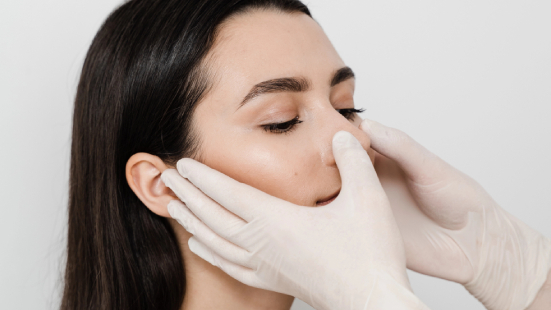
A safer rhinoplasty journey from the UK to Istanbul starts well before the operation date. Verify the surgeon and provider, consult the operating surgeon directly, disclose your health history, allow a genuine cooling-off period, plan flights and insurance around surgery, and obtain a written follow-up pathway for your return to the UK. Combining surgery with a holiday or booking the earliest possible flight home can undermine recovery.
READ ALL ABOUT IT
 0 532 529 83 66
 Yenibosna Merkez Mahallesi 1. Asena Sokak No:23 Karat 34 Residence D Blok Daire:39
 GET DIRECTIONS
 info@aaclinic.com.tr
FOLLOW US ON SOCIAL MEDIA
info@aaclinic.com.tr
FOLLOW US ON SOCIAL MEDIA